
Unused Square Footage That Actually Functions
Basement Refinishing in Washington Township for homeowners converting below-grade space into usable family rooms, offices, or guest areas
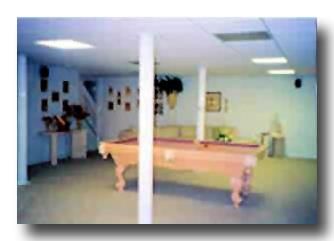
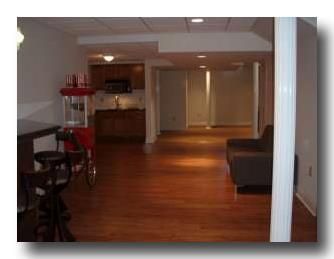
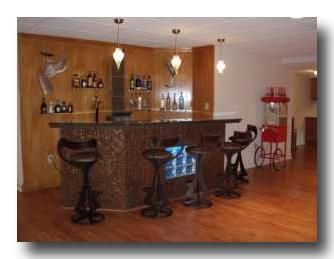
Basements in older homes often remain unfinished because moisture control and insulation weren't prioritized during construction—without addressing these issues first, finished surfaces fail within a few years. Basement refinishing from MickeyDees starts with moisture mitigation and proper insulation before walls, flooring, and finishes go in, ensuring that the converted space remains comfortable and functional regardless of humidity levels or temperature swings. Homeowners looking to add livable square footage without building an addition find that below-grade space, when finished correctly, handles daily use without the mold, dampness, or temperature problems that make poorly finished basements unusable.
The process includes evaluating foundation walls for moisture intrusion, installing vapor barriers and insulation that meet code requirements for below-grade spaces, and planning layouts that accommodate mechanical systems, egress requirements, and the lighting needed to offset limited natural light. Flexible design options allow the space to function as a family room, home office, or guest suite depending on your needs.
Arrange a basement assessment to review moisture conditions and layout possibilities for your space.
Why Moisture Control Determines Longevity
Finishing a basement without controlling moisture means that condensation forms behind walls, insulation traps humidity instead of managing it, and finishes deteriorate even when the basement appears dry on the surface. Proper refinishing installs vapor barriers against foundation walls, uses insulation rated for below-grade environments, and leaves drainage paths so that water doesn't accumulate behind finished surfaces.
After refinishing, you'll notice that the basement maintains a consistent temperature without the cold spots that make unfinished spaces uncomfortable, that surfaces remain dry even during humid summer months, and that the space functions as naturally as any above-grade room. The layout accommodates furniture, electronics, and daily activity without concern for dampness or air quality.
Refinishing also addresses egress requirements for bedrooms or guest spaces, installs lighting that compensates for limited windows, and integrates mechanical systems like HVAC vents so the space doesn't feel isolated from the rest of the home. These considerations determine whether the finished basement actually gets used or remains a secondary space.
Answers to Frequent Service Questions
Basement projects prompt questions about moisture management, layout flexibility, and code requirements for livable space.
What moisture control measures are necessary?
Effective refinishing includes vapor barriers installed against foundation walls, closed-cell foam or rigid insulation that doesn't absorb moisture, and sealed floor systems that prevent condensation—these steps prevent the mold and dampness issues common in basements finished without proper moisture management.
How is the layout planned for below-grade spaces?
The design accounts for support posts, mechanical systems, and egress requirements, positioning walls and rooms to maximize usable square footage while leaving access to utilities and ensuring that emergency exits meet code for any sleeping areas.
What flooring options work in basements?
Materials like luxury vinyl, engineered wood with moisture barriers, or tile perform better than solid hardwood or untreated laminate, which warp or deteriorate when exposed to the humidity levels typical in Washington Township basements.
Can lighting make the space feel less like a basement?
Recessed lighting, layered fixtures, and strategically placed lamps offset the lack of natural light, and lighter paint colors on walls and ceilings help the space feel open rather than enclosed.
What's included in the refinishing process?
The service covers insulation, framing, drywall, flooring installation, electrical and lighting upgrades, and finish work—essentially everything needed to convert the space into a livable area, though plumbing for bathrooms or kitchenettes may require separate planning.
What moisture control measures are necessary?
Effective refinishing includes vapor barriers installed against foundation walls, closed-cell foam or rigid insulation that doesn't absorb moisture, and sealed floor systems that prevent condensation—these steps prevent the mold and dampness issues common in basements finished without proper moisture management.
MickeyDees refinishes basements with moisture control and layout planning that ensure the space remains functional long-term. Contact us to discuss design options and moisture mitigation strategies for your below-grade space.