Covered Spaces That Extend Outdoor Use
Porches in Washington Township for homes needing weather protection and curb appeal upgrades
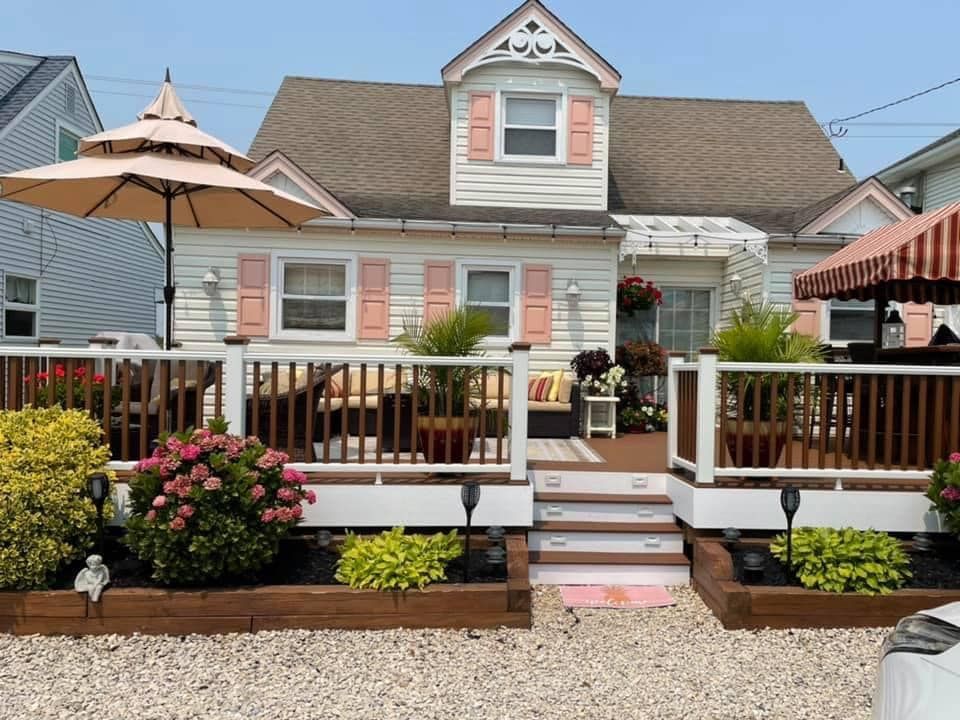
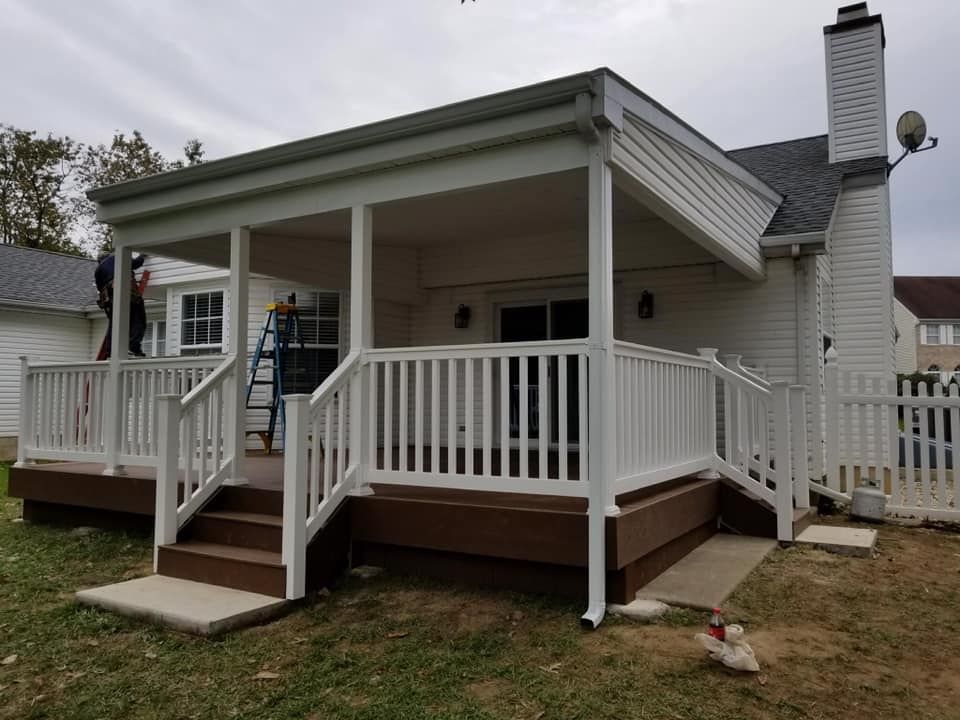
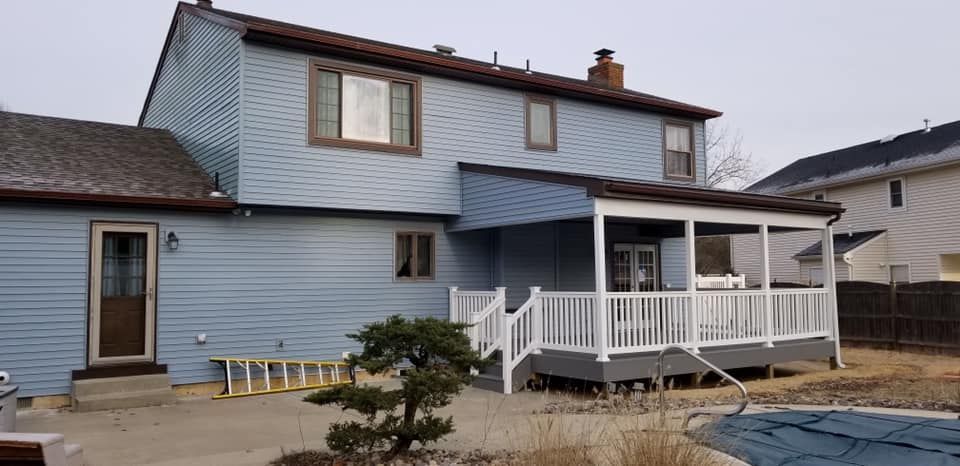
Open porches expose seating areas and entryways to rain, sun, and snow, which limits usability and causes furniture and doormats to deteriorate faster than they would under cover. Covered porch construction changes how often you use outdoor space by creating protection from weather while maintaining airflow and natural light. MickeyDees builds both open and covered porches in Washington Township, Turnersville, Blackwood, Sewell, Williamstown, Voorhees, Sicklerville, Marlton, and Haddonfield using roofing and column designs that match existing home architecture and handle wind loads without sagging or leaning over time.
Porch construction involves pouring footings for support posts, framing a roof structure that ties into existing house framing or stands independently, and installing roofing materials that match or complement your main roof. Covered porches require proper roof pitch to shed water away from the foundation, and gutters prevent runoff from eroding soil near the porch base. Flooring options include pressure-treated wood, composite decking, or concrete depending on your preference for maintenance and appearance.
Set up a consultation to review porch designs that suit your home's front elevation and lot layout.
How Roof Coverage and Column Placement Affect Function
Roof coverage over a porch determines how much floor area stays dry during rain and how much shade the space provides during summer afternoons. Deeper roof overhangs protect larger floor areas but require stronger beam spans and more substantial posts, while shallow overhangs reduce material costs but leave more of the porch exposed to weather. Column placement affects traffic flow and sightlines, with wider column spacing creating an open feel but requiring larger beams to span the distance without sagging.
Once construction is complete, you notice that the porch floor remains dry even during heavy rain, furniture cushions last longer without fading or mildewing, and the front door stays cleaner because it is shielded from direct weather exposure. Covered porches also reduce heat gain through the front door and windows during summer, which lowers cooling costs compared to unshaded entryways.
Customization options include column styles ranging from simple square posts to decorative round or tapered columns, railing designs that match deck or stair railings elsewhere on the property, and ceiling treatments like beadboard or tongue-and-groove planks. Lighting and ceiling fans can be integrated into the roof framing to add function without running exposed conduit.
What Property Owners Usually Ask
Porch projects raise questions about structural requirements, material coordination, and how the addition affects home appearance and drainage patterns.
What is the difference between open and covered porch construction costs?
Covered porches cost more because they require roof framing, shingles or metal roofing, gutters, and stronger foundational support to handle roof weight and wind uplift. Open porches involve simpler framing and no roofing materials, which reduces labor and material expenses but provides no weather protection.
How do you match new porch materials to an existing home?
Matching involves selecting siding, trim, and roofing materials that either replicate what is already on the house or intentionally complement it with compatible colors and textures. Exact matches are easier with common materials like vinyl siding or asphalt shingles, while custom or discontinued materials may require close alternatives that blend visually.
What permits are required for porch construction in Washington Township?
Covered porches typically require building permits because they involve structural roofing and foundational work, while small open porches below a certain height may not need permits depending on local code. Permit applications include structural drawings showing footing locations, beam sizes, and roof attachment points.
How does porch construction affect yard drainage?
Adding a porch with a roof changes where rainwater runs off, which can create pooling near the foundation if gutters and downspouts do not direct water away properly. Grading adjustments or drainage extensions may be needed to prevent erosion or water infiltration into the basement after the porch is built.
What roofing pitch works best for covered porches?
A minimum pitch of 3:12 (three inches of rise per 12 inches of horizontal run) sheds water effectively without collecting debris or ice, though steeper pitches like 4:12 or 5:12 match typical house roof slopes and improve visual integration. Flatter pitches require more maintenance to prevent pooling and leaks.
What is the difference between open and covered porch construction costs?
Covered porches cost more because they require roof framing, shingles or metal roofing, gutters, and stronger foundational support to handle roof weight and wind uplift. Open porches involve simpler framing and no roofing materials, which reduces labor and material expenses but provides no weather protection.
MickeyDees completes porch projects that range from simple open platforms to fully covered front porches with columns, railings, and integrated lighting. Get in touch to discuss design options and material choices that match your home's style and improve its street presence.