
Showers and Tile That Handle Daily Moisture
Bathroom Remodeling in Washington Township for outdated fixtures and water damage concerns
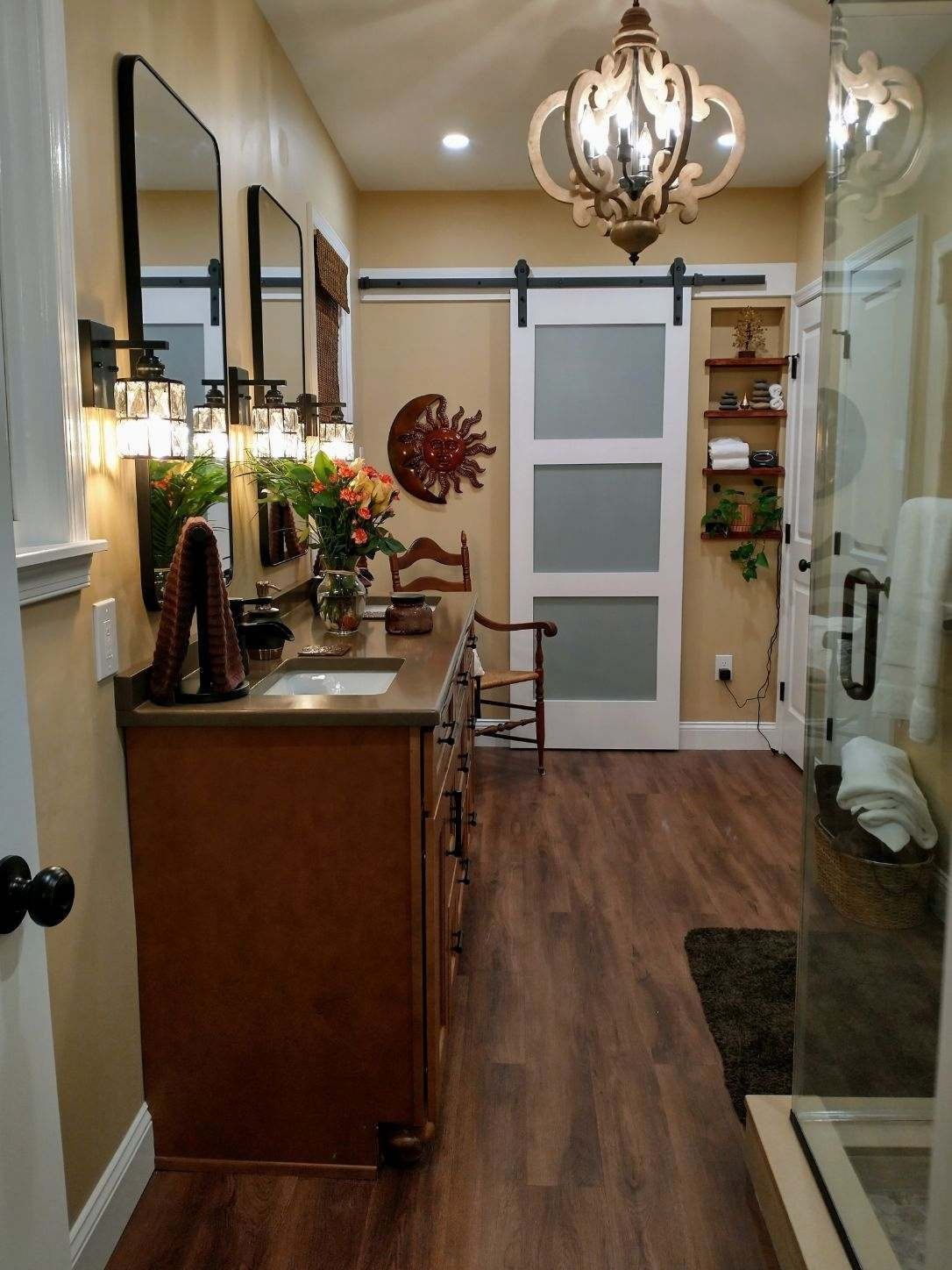
Grout lines that darken with mold, shower pans that flex underfoot, and vanities with water-stained cabinet bases signal that a bathroom has reached the end of its functional life. MickeyDees handles bathroom remodeling in Washington Township, Turnersville, Blackwood, Sewell, Williamstown, Voorhees, Sicklerville, Marlton, and Haddonfield with attention to moisture-resistant construction that prevents the rot and mold growth common in older bathrooms. You see the difference in floors that stay dry around the toilet base, shower walls that clean without scrubbing mildew, and cabinetry that does not swell when humidity rises.
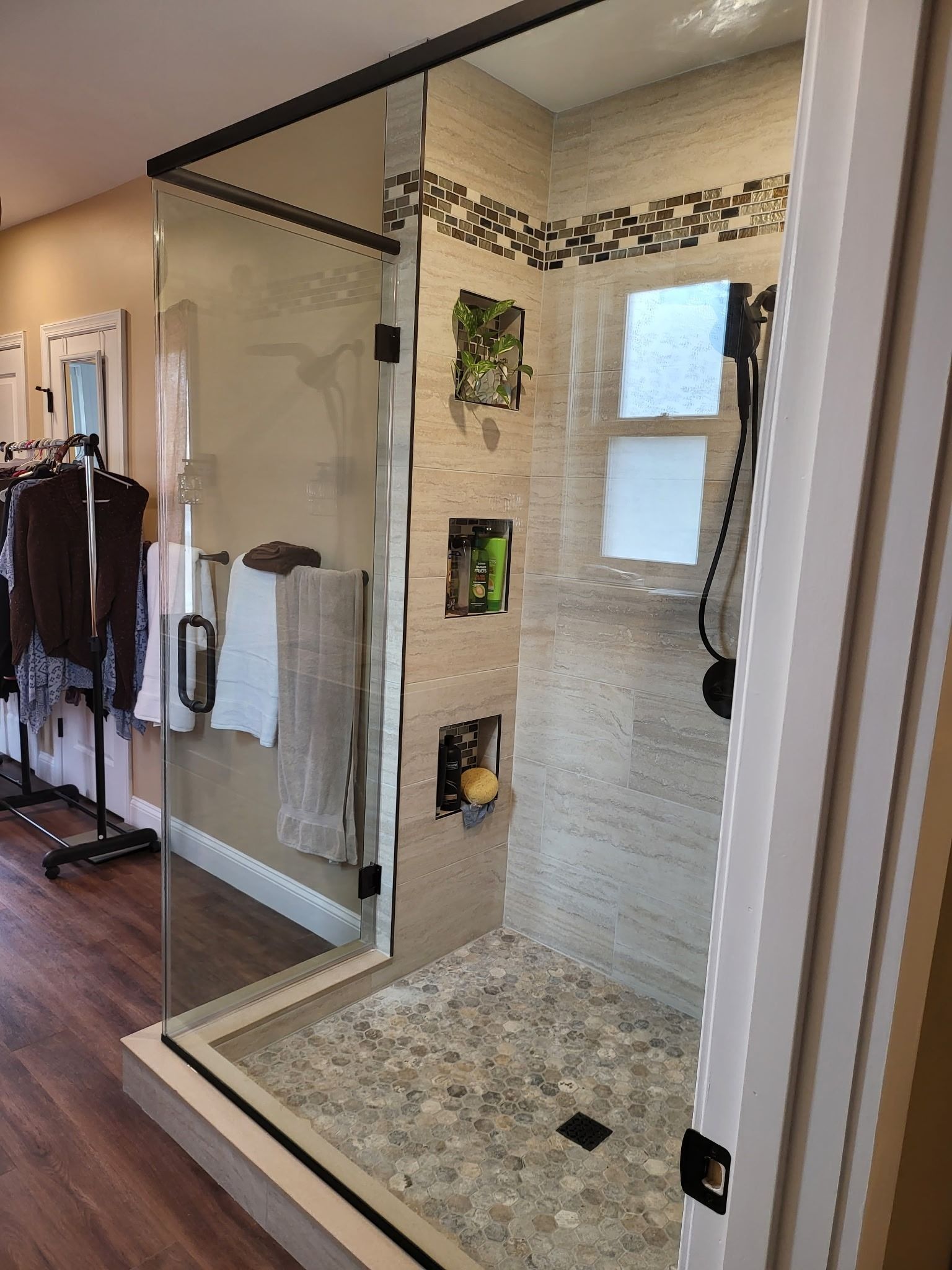
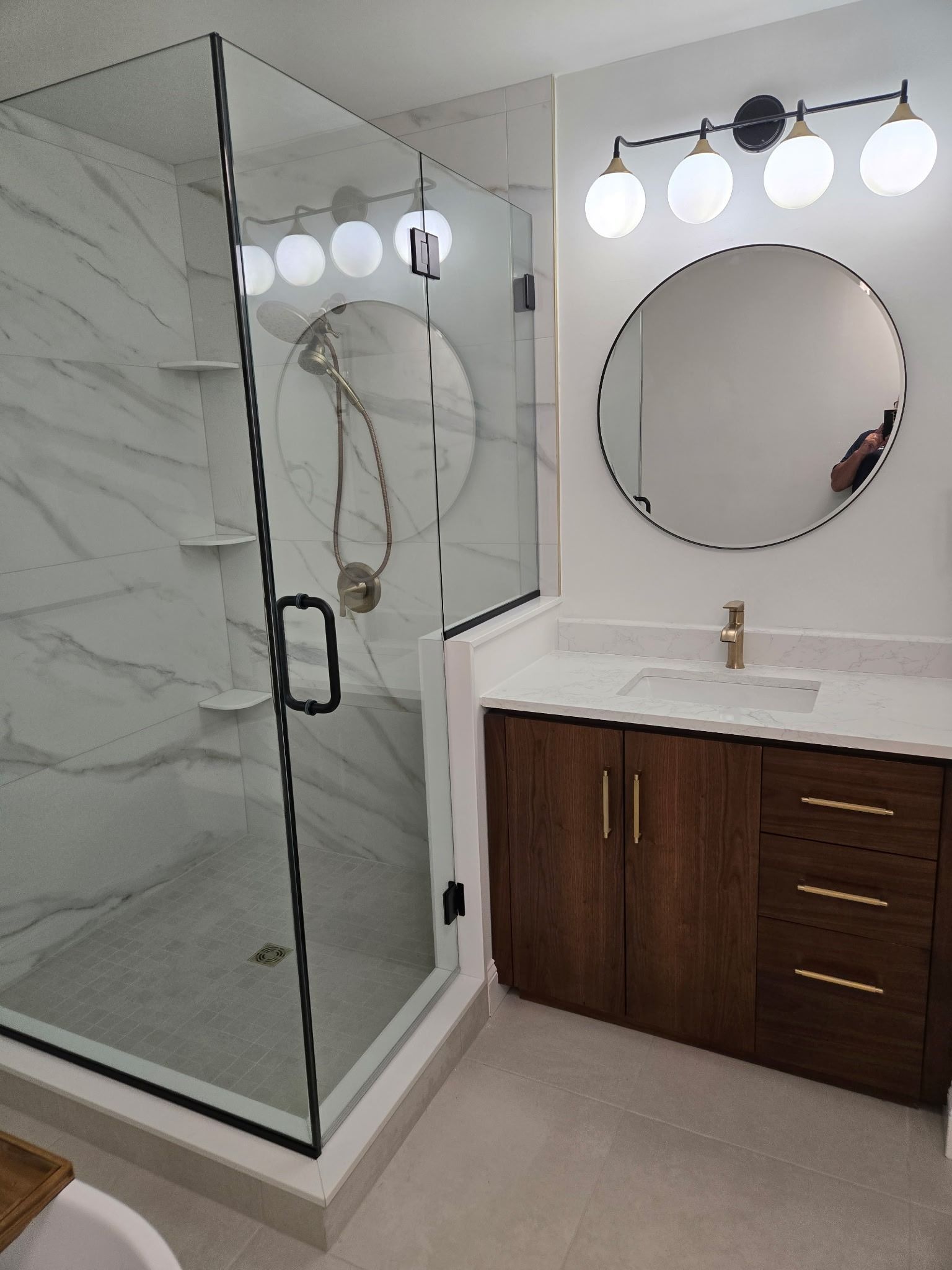
Full bathroom renovations involve removing existing tile down to the studs, installing cement backer board on walls and floors to create a waterproof substrate, and applying waterproof membranes in wet areas before tile installation. Walk-in showers require sloped floors that direct water to the drain without pooling, which involves mortar bed construction or prefabricated shower pans designed for curbless entry. Vanity installation includes securing cabinets to wall studs and leveling countertops before plumbing connections are finalized.
Arrange an estimate consultation to evaluate your current bathroom layout and discuss fixture upgrades.
How Proper Waterproofing Prevents Long-Term Damage
Waterproofing bathroom surfaces involves applying sheet membranes or liquid barriers to cement backer board before tile adhesive is spread, which prevents water from reaching wood framing where rot begins. Corners and seams receive extra membrane layers, and the barrier extends up the wall at least six inches above the highest point where water will contact the surface. Floor drains in curbless showers require sloped mortar beds that fall one-quarter inch per foot toward the drain, which keeps water from standing long enough to seep through grout lines.
After the remodel is complete, you notice that tile grout stays lighter longer because water evaporates instead of soaking in, shower floors dry within an hour instead of remaining damp until evening, and the bathroom no longer smells musty even when the exhaust fan is off. Vanities sit level without gaps under the countertop where water can pool, and modern fixtures deliver consistent water pressure without the drips that indicate worn valve seats.
Space optimization in smaller bathrooms involves wall-mounted vanities that open floor area visually and physically, corner showers that maximize usable square footage, and recessed shelving built into wall cavities between studs. Larger bathrooms accommodate freestanding tubs, double vanities, and separate water closets depending on your priorities for layout and function.
Common Questions About Bathroom Renovations
Bathroom projects often raise questions about fixture choices, waterproofing methods, and how construction affects water access during the work.
What makes walk-in showers different from standard tub-shower combinations?
Walk-in showers eliminate the step-over barrier by sloping the floor gradually to a linear drain, which requires precise mortar bed construction or prefabricated foam pans. The curbless design improves accessibility and creates a cleaner visual line, though it demands more floor space than a standard tub footprint.
How long does a typical bathroom remodel take from start to finish?
Most full bathroom renovations require two to three weeks, with tile setting and grout curing accounting for several days where the space cannot be used. Partial upgrades like vanity replacement or fixture swaps finish faster, often within a few days depending on plumbing modifications.
What tile materials work best in wet areas?
Porcelain tile absorbs less water than ceramic, which reduces the risk of cracking in freeze-thaw cycles and makes it better suited for shower floors. Natural stone like marble requires sealing to prevent staining, while glass mosaic tile resists moisture completely but shows water spots unless squeegeed after each use.
How does bathroom remodeling affect home resale value in Washington Township?
Updated bathrooms with modern fixtures, durable tile, and efficient layouts appeal to buyers who want move-in-ready homes without immediate renovation needs. The return on investment is strongest when the finish quality matches the overall home value rather than over-improving beyond neighborhood standards.
What plumbing upgrades should be included during a bathroom remodel?
Replacing old galvanized supply lines with PEX or copper prevents leaks that could damage new tile and drywall, and installing pressure-balancing valves in showers prevents temperature shocks when toilets flush or other fixtures turn on. Upgrading drain lines to PVC eliminates corrosion issues common in older cast iron systems.
What makes walk-in showers different from standard tub-shower combinations?
Walk-in showers eliminate the step-over barrier by sloping the floor gradually to a linear drain, which requires precise mortar bed construction or prefabricated foam pans. The curbless design improves accessibility and creates a cleaner visual line, though it demands more floor space than a standard tub footprint.
MickeyDees completes bathroom projects that range from cosmetic fixture upgrades to full gut renovations with layout changes and expanded shower areas. Contact us to schedule a consultation and review material options suited to your space and budget.