
Square Footage That Fits Your Existing Structure
Home Additions in Washington Township for properties needing expanded living space without relocation
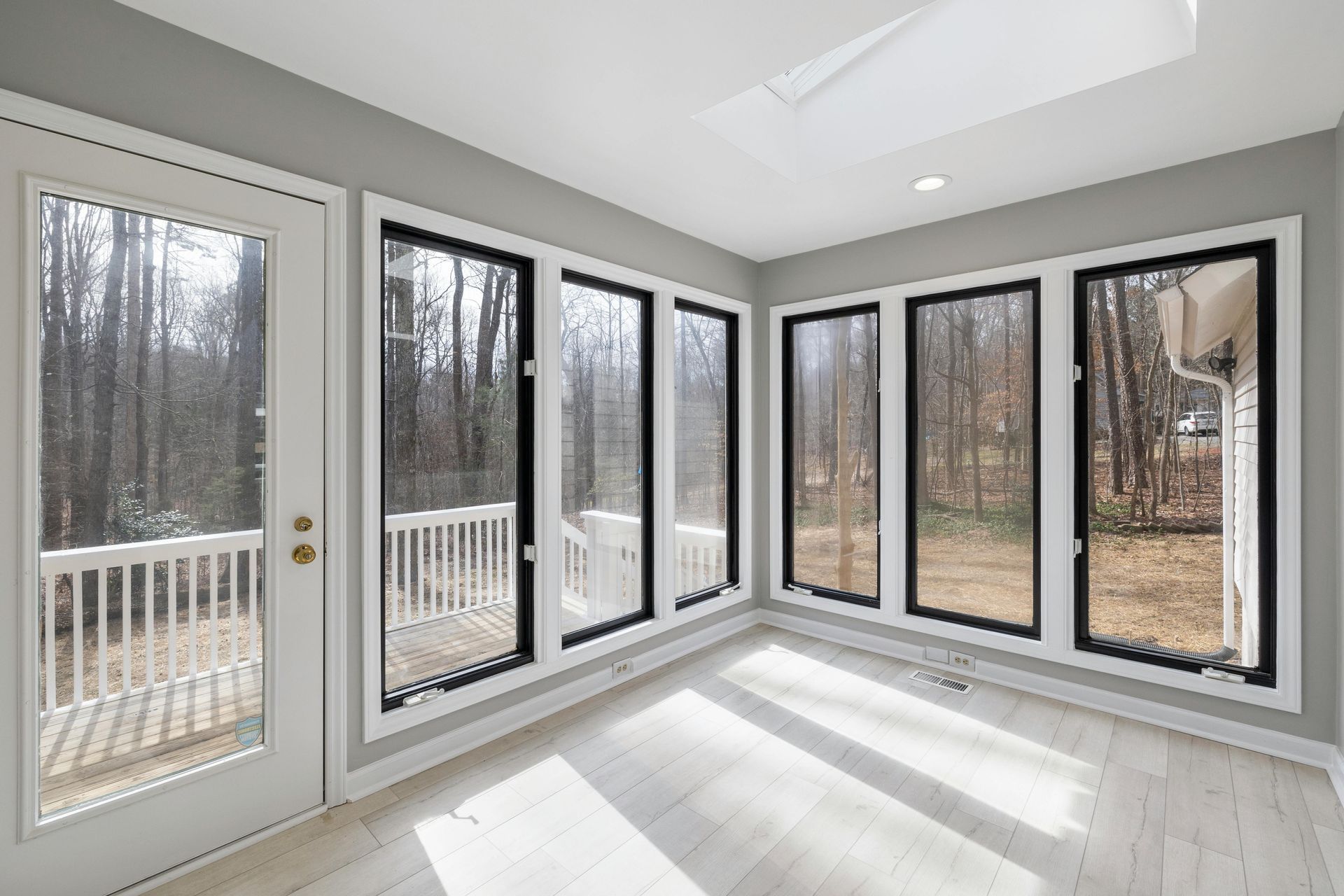
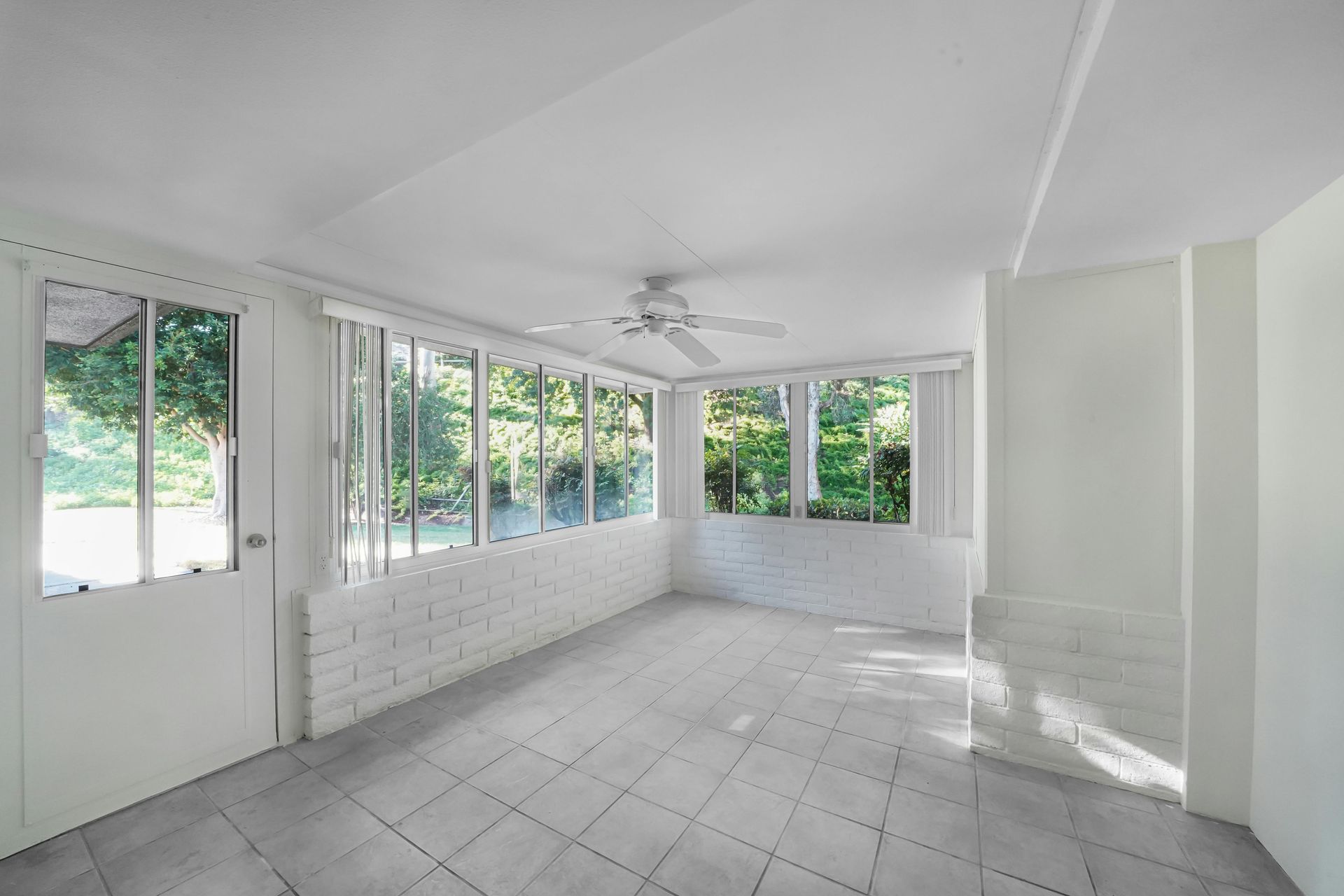
Adding square footage to an existing home changes how rooms connect, where natural light enters, and whether your mechanical systems can handle increased heating and cooling loads. MickeyDees builds home additions in Washington Township, Turnersville, Blackwood, Sewell, Williamstown, Voorhees, Sicklerville, Marlton, and Haddonfield that integrate structurally and visually with your current house, matching roof pitches, siding profiles, and interior finishes so the new space does not look tacked on. Common additions include bedrooms, in-law suites with separate entries, and expanded living areas that open up cramped floor plans without the cost and disruption of moving to a larger property.
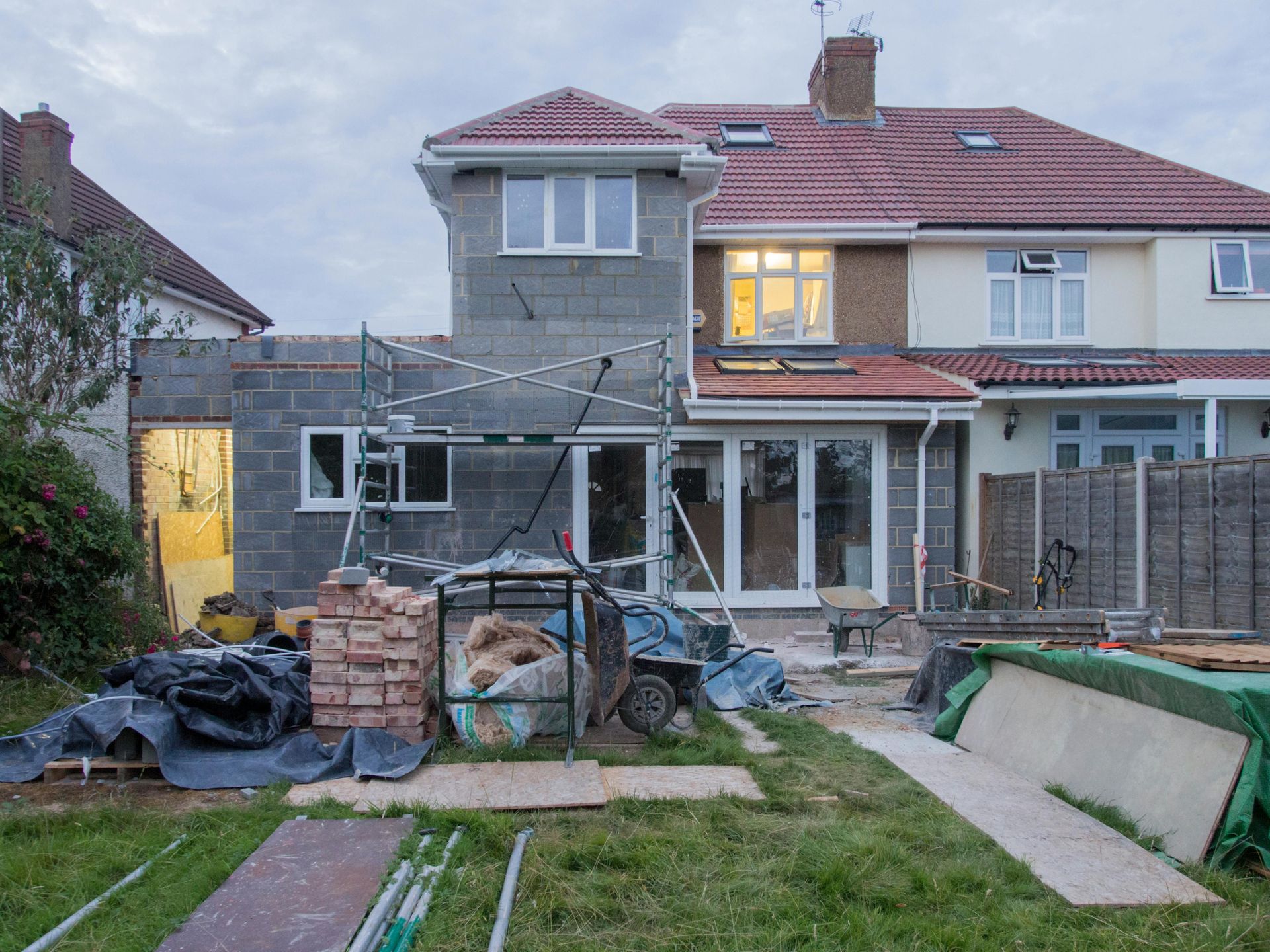
Home addition construction involves pouring a new foundation that ties into or sits adjacent to the existing foundation, framing walls and roof structures that match existing elevations, and removing sections of exterior wall to connect the new space to the original house. Proper permitting ensures that structural modifications meet building codes, and matching exterior finishes requires sourcing siding, brick, or trim materials that blend with weathered surfaces already on the house. HVAC and electrical systems may need upgrades to serve the additional load, which involves running new ductwork or expanding panel capacity.
Request a planning consultation to evaluate your lot size, setback requirements, and how an addition would integrate with your current layout.
Why Structural Integration and Finish Matching Matter
Structural integration involves connecting new framing to existing walls and roof systems in ways that distribute loads evenly and prevent cracking at the seam between old and new construction. This requires removing siding and sheathing to expose framing members, installing metal connectors or additional studs to tie the structures together, and sealing the connection against air and water infiltration. Roof lines must align so that water drains toward gutters rather than pooling at valleys where leaks develop over time.
After the addition is finished, you notice that floors transition smoothly between the old and new sections without steps or height differences, interior finishes like trim and flooring match existing rooms closely enough that the seam is not obvious, and heating and cooling reach the new space evenly without creating cold spots or overworking the furnace. Exterior siding and roofing blend visually with the original house, which preserves curb appeal and avoids the patchwork appearance that reduces resale value.
The scope of an addition depends on whether load-bearing walls need removal to open the connection between spaces, whether the lot has room for expansion within setback limits, and how much foundation work is required for soil conditions on your property. In-law suites often include separate entrances, small kitchens, and accessible bathroom layouts, while bedroom additions focus on closet space and window placement for natural light.
Questions Before Starting Your Addition
Home addition projects raise concerns about permitting timelines, cost factors, and how construction affects daily life in the existing house.
What permits are required for home additions in Washington Township?
Home additions require building permits that include structural plans, foundation details, and electrical and plumbing layouts, along with zoning approval to confirm the addition does not violate setback requirements or lot coverage limits. Inspections occur at multiple stages including foundation, framing, and final occupancy.
How do you match siding and roofing to an existing house?
Matching involves identifying the siding profile and color, which may require ordering custom runs if the original product is discontinued, or selecting the closest available alternative and blending it visually by placing new siding on less visible elevations. Roofing shingles fade over time, so new shingles may appear darker until they weather to match the existing roof.
How does adding square footage affect heating and cooling systems?
Adding rooms increases the load on your furnace and air conditioner, which may require upgrading to a larger system or adding a second zone if the current equipment cannot maintain temperature in the new space. Ductwork must be sized correctly to deliver adequate airflow without causing pressure imbalances that reduce efficiency.
What is the typical timeline for completing a home addition?
Most additions take three to six months from permit approval to final occupancy, with timelines affected by foundation curing periods, weather delays, and inspection scheduling. Smaller single-room additions finish faster, while multi-room or second-story additions require more framing and finishing time.
How does a home addition affect property value?
Adding functional square footage increases home value roughly in line with local cost per square foot for finished space, though the return on investment is highest when the addition fixes a problem like inadequate bedrooms or missing first-floor bathrooms. Over-building beyond neighborhood standards reduces the percentage return even if it adds absolute value.
What permits are required for home additions in Washington Township?
Home additions require building permits that include structural plans, foundation details, and electrical and plumbing layouts, along with zoning approval to confirm the addition does not violate setback requirements or lot coverage limits. Inspections occur at multiple stages including foundation, framing, and final occupancy.
MickeyDees completes home additions that range from single-room bumps to full second stories and in-law suites with separate systems. Contact us to schedule a planning consultation and review how expanded square footage can be integrated into your current structure and lot layout.