
Outdoor Surfaces Built for Weather and Use
Deck Construction in Washington Township for homes needing durable outdoor living space
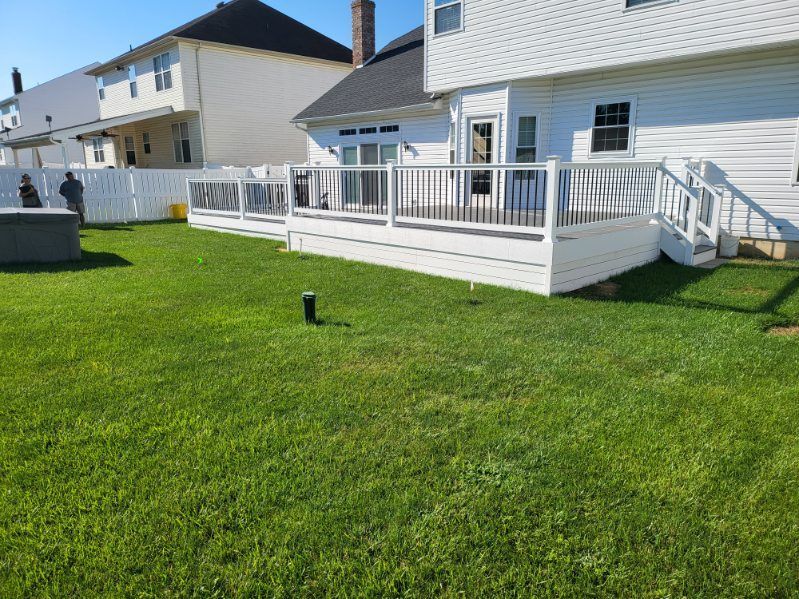
Composite and wood decking materials respond differently to the freeze-thaw cycles and summer humidity common in Washington Township, which affects how boards expand, contract, and hold fasteners over time. MickeyDees builds custom decks in Washington Township, Turnersville, Blackwood, Sewell, Williamstown, Voorhees, Sicklerville, Marlton, and Haddonfield using construction methods that account for seasonal movement and moisture exposure. Decks constructed with proper joist spacing, flashing around ledger boards, and code-compliant railing heights provide outdoor space that handles foot traffic, furniture weight, and weather without developing bounce, rot, or loose railings.
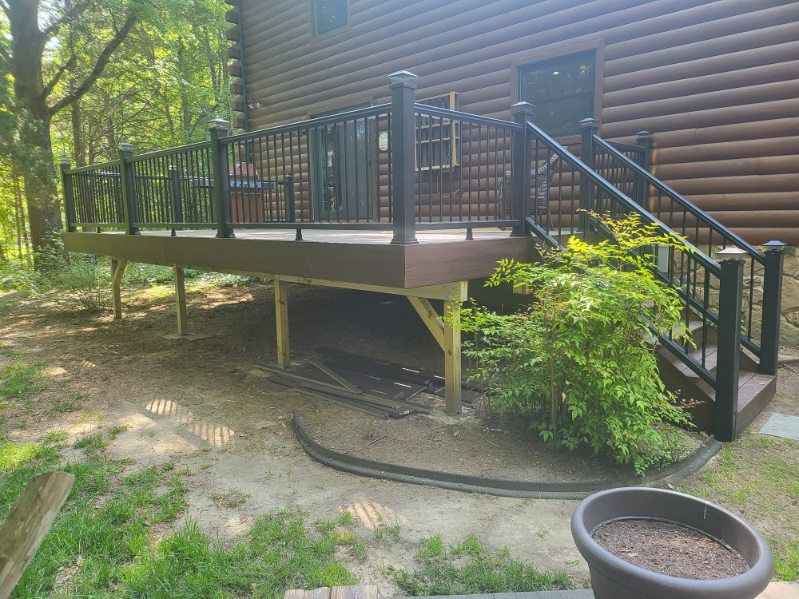
Deck construction involves digging footings below the frost line to prevent heaving, securing ledger boards to house framing with through-bolts and metal flashing, and spacing joists to support decking material without sagging. Composite decking requires specific fastener types and gap spacing to accommodate expansion, while pressure-treated wood decking uses stainless steel screws or hot-dipped galvanized nails to resist corrosion. Railing systems must meet local codes for height and baluster spacing, which typically require rails at least 36 inches high with gaps no wider than four inches.
Schedule an outdoor project planning session to discuss deck size, material choices, and layout options for your yard.
What Code-Compliant Construction Requires
Building codes for deck construction specify footing depth, beam span limits, joist spacing, and railing strength to prevent collapse and falls. Footings must reach at least 36 inches deep in this region to sit below the frost line, and posts must attach to footings with galvanized brackets rather than sitting directly on concrete where moisture wicks into wood. Ledger boards that attach the deck to the house require flashing installed behind siding to direct water away from the connection point, which prevents rot in the house rim joist.
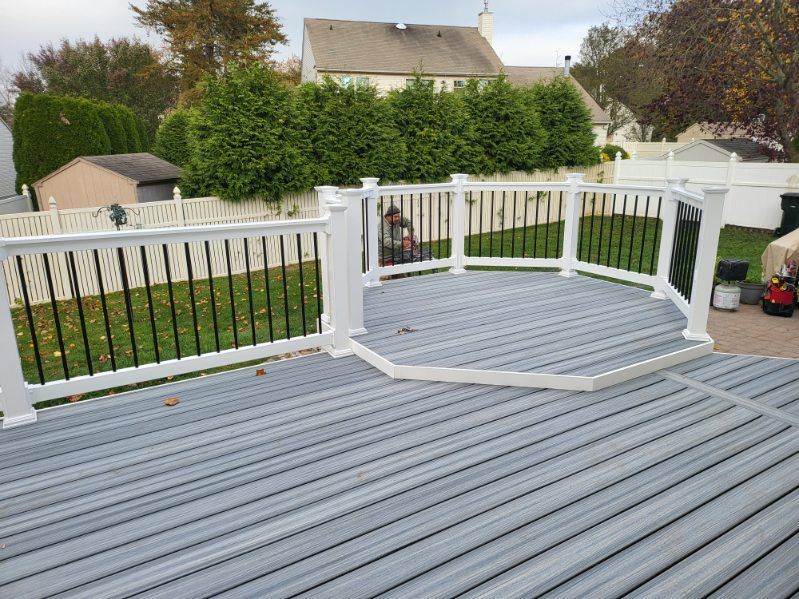
After construction is complete, you notice that the deck surface remains level without dips or spongy spots when you walk across it, railings feel solid when you lean against them, and boards stay tight to framing without pulling away from fasteners. Composite decking maintains its color without the silvering that occurs with untreated wood, and gaps between boards allow water and debris to fall through instead of pooling on the surface.
Design options include single-level platforms, multi-level decks that follow sloped yards, and wraparound layouts that connect to multiple doorways. Railing styles range from simple wood balusters to low-maintenance vinyl or metal systems, and built-in benches or planters can be integrated into the railing design to add function without requiring separate furniture.
Answers to Frequent Deck Questions
Homeowners planning deck projects typically ask about material longevity, maintenance requirements, and how construction affects yard access during the build.
What are the differences between wood and composite decking?
Pressure-treated wood costs less initially but requires annual cleaning and staining to prevent rot and splintering, while composite boards resist moisture and insects without maintenance but cost more upfront and can feel hotter underfoot in direct sun. Both materials last decades when installed correctly, though composite warranties typically cover fading and staining longer than wood treatments hold up.
How much weight can a properly built deck support?
Decks built to code support at least 50 pounds per square foot for live loads like people and furniture, which means a 200-square-foot deck handles at least 10,000 pounds total. Joist spacing and beam sizing determine actual capacity, and hot tubs or heavy planters require additional structural support beyond standard framing.
What permits are required for deck construction in Washington Township?
Most decks attached to a house or standing more than 30 inches above grade require building permits and inspections to verify footing depth, structural connections, and railing compliance. Permit requirements depend on deck size and height, and inspections typically occur after footings are poured and again before final railings are installed.
How does deck construction affect landscaping and yard access?
Building a deck requires equipment access for digging footings and delivering materials, which may compact soil or disturb plantings near the construction zone. Protecting existing landscaping involves marking utility lines, laying plywood over grass for equipment paths, and scheduling the project when ground conditions are dry enough to prevent rutting.
What railing designs meet safety codes while matching home style?
Code-compliant railings must prevent a four-inch sphere from passing through any opening, which limits baluster spacing but allows choices between vertical pickets, horizontal cables, or glass panels. The design should complement your home's exterior trim and siding style without creating a visual mismatch that reduces curb appeal.
What are the differences between wood and composite decking?
Pressure-treated wood costs less initially but requires annual cleaning and staining to prevent rot and splintering, while composite boards resist moisture and insects without maintenance but cost more upfront and can feel hotter underfoot in direct sun. Both materials last decades when installed correctly, though composite warranties typically cover fading and staining longer than wood treatments hold up.
MickeyDees handles deck projects from basic platforms to complex multi-level outdoor living areas with integrated stairs and lighting. Reach out to discuss material preferences and layout designs that work with your yard slope and door locations.